
Welcome to Arviv Plastic Surgery in Tampa, FL
Arviv Plastic Surgery is led by Dr. Ahmed Abdullah, a board-certified plastic and cosmetic surgeon who has built an international reputation for surgical excellence and superb patient care. Dr. Abdullah offers a full range of cosmetic and reconstructive procedures that incorporate the latest medical technologies and advances.
OUR PLASTIC SURGERIES & COSMETIC SERVICES
For
Breast
For
Body
For
Face
MedSpa
Services
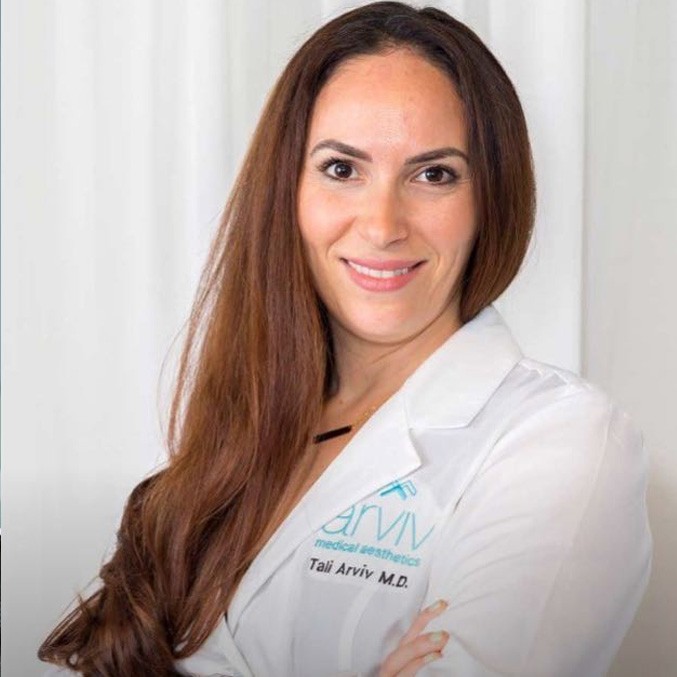
Meet Our Doctors
Founded by Dr. Arviv.
She has built a Surgery Center to be able to offer the best care for surgeons who want to operate at Arviv Surgery Center.
Why choose us for such a life-changing procedure in Tampa? Our office was founded by two board-certified medical doctors specializing in helping patients look and feel their best. Get to know Dr. Arviv and Dr. Abdullah below.
These are surgeons currently operating out of our state of the art facility. They are our double board-certified plastic surgeons and cosmetic surgeons who have completed the most advanced training using the latest techniques in plastic surgery procedures including: face, neck, breast, body, liposuction, and fat grafting, including Brazilian butt lifts. Combined, they offer over 30 years of experience in all plastic surgery procedures.
CALL US AT 813-855-0111 OR SCHEDULE ONLINE
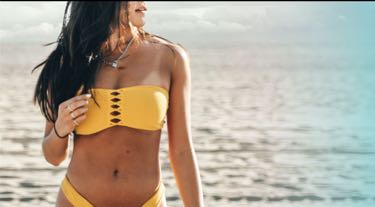
Breast Cosmetic Surgery
About Our Cosmetic Procedures
PROVIDING YOU WITH THE BEST CARE
Welcome to Arviv Plastic Surgery Center, where we take pride in providing our patients with the best patient care. We offer a variety of cosmetic and reconstructive surgical services. Dr. Abdullah offers exceptional aesthetic results and unparalleled patient care. He is board-certified in plastic surgery, with nearly 30 years of experience with face and body procedures.

Body Cosmetic Surgery
Look and Feel Your Best
YOU ARE IN GOOD HANDS WITH ARVIV PLASTIC SURGERY
The word “Surgery” always brings up many questions and concerns, that is why we have experienced providers that will walk you through the entire process and make sure you are 100% ready for your procedure. We know that you are trusting us with your body which is why your health, your recovery, and your results are our priority.
Arviv Plastic Surgery was founded by Dr. Tali Arviv, who is an expert physician in aesthetics and cosmetic dermatological procedures. Dr. Arviv takes pride in her reputation which is why she has expanded to offer her patients plastic surgery services with providers that she trusts.
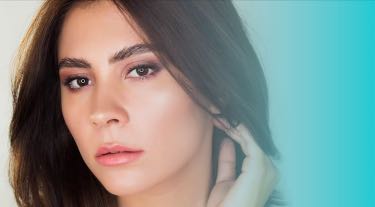
Face Cosmetic Surgery
South Florida’s Aesthetics Experts
FEEL EMPOWERED, BEAUTIFUL, AND MORE CONFIDENT
Our medical spa represents the latest advances in the art of facial and body rejuvenation. Combining the luxury elements of a spa with the safety and superior clinical capabilities of the medical profession, we are one of the most established full-service aesthetics practices in South Florida.

MedSpa Services
South Florida’s premier med spa offering advanced medical technology & cutting-edge techniques.
Get Exceptional Results From Arviv
Patient Testimonials
Contact Arviv Plastic Surgery in Tampa
CALL US AT 813-855-0111 TODAY
We look forward to meeting you. Please feel free to leave us a message or call our medical office for any questions you may have!